
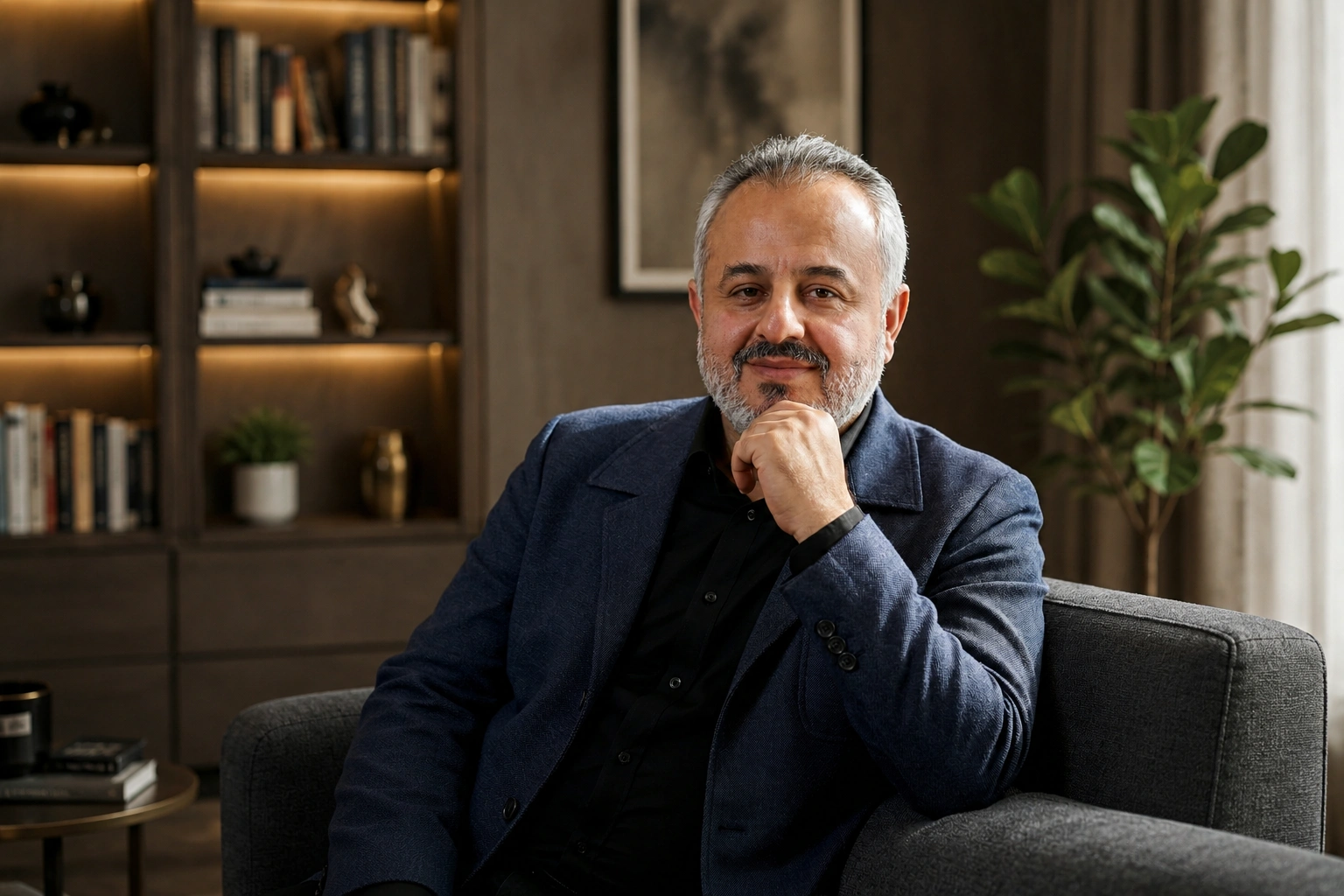
Muhammed Riza Dayani
Industrial Strategist • Manufacturing Visionary • Global Business Architect
For more than four decades, Muhammed Riza Dayani has been dedicated to transforming industrial challenges into sustainable opportunities. His career spans manufacturing, engineering, technology transfer, corporate strategy, vertical integration, and international business development.
Rather than pursuing short-term commercial success, Dayani has consistently focused on creating industrial ecosystems capable of generating long-term value through innovation, operational excellence, and strategic independence.
Today, his work extends beyond manufacturing leadership into global partnerships, industrial investment, organizational development, and cross-border business collaboration, making him one of the influential strategic thinkers in modern industrial development.
Who Is Muhammed Riza Dayani?
Muhammed Riza Dayani is an industrial strategist, manufacturing leader, and business architect whose professional career has been shaped by more than four decades of continuous involvement in industrial development, engineering, manufacturing systems, and strategic business transformation.
Unlike many executives whose expertise is limited to management or investment, Dayani has built his professional foundation from the production floor upward. His understanding of manufacturing was not developed solely through executive decision-making but through direct engagement with industrial processes, production systems, component engineering, quality management, and operational improvement. This practical experience has significantly influenced his long-term philosophy of industrial leadership.
Throughout his career, he has consistently emphasized that sustainable industrial growth cannot be achieved through commercial expansion alone. Instead, long-term competitiveness depends on developing independent manufacturing capabilities, strengthening technological expertise, integrating supply chains, and investing in people, knowledge, and innovation.
One of the defining characteristics of Muhammed Riza Dayani’s professional philosophy is his commitment to what can be described as “Depth of Manufacturing.” Rather than viewing manufacturing as the final stage of product assembly, he considers it a comprehensive ecosystem in which engineering, material science, production technology, research and development, quality systems, logistics, supplier relationships, and organizational culture operate as interconnected elements of one integrated industrial structure.
This philosophy has influenced numerous strategic decisions throughout his career, including investments in manufacturing infrastructure, vertical integration, technology transfer, engineering capability development, and international industrial cooperation. His objective has never been limited to producing goods; instead, he has sought to build organizations capable of creating knowledge, improving industrial independence, and delivering sustainable value over generations.
As his industrial experience expanded, so did the scope of his leadership. His activities gradually evolved beyond manufacturing into corporate governance, strategic planning, international partnerships, industrial investment, petrochemical development, organizational transformation, and cross-border business collaboration.
Today, Muhammed Riza Dayani is recognized for combining engineering insight with strategic leadership. His multidisciplinary perspective allows him to connect manufacturing excellence with innovation management, operational efficiency, business sustainability, and global industrial cooperation. Rather than focusing on isolated business achievements, his work reflects a long-term commitment to building resilient industrial ecosystems capable of adapting to technological change and international competition.
His professional journey demonstrates that successful industrial leadership requires far more than financial investment. It demands vision, technical understanding, organizational discipline, continuous learning, and the ability to transform challenges into opportunities for sustainable growth.
For this reason, Muhammed Riza Dayani’s work extends beyond the boundaries of individual companies. His ideas continue to contribute to broader discussions surrounding industrial modernization, manufacturing strategy, technological capability, leadership development, and the future of global industry.
Manufacturing Depth
Creating value beyond production.
Engineering Excellence
Building competitive industries through technical capability.
Knowledge Development
Continuous learning drives sustainable growth.
Strategic Independence
Long-term competitiveness starts with internal capability.
Continuous Improvement
Small improvements create transformational results.
People-Centered Leadership
Organizations grow when people grow.
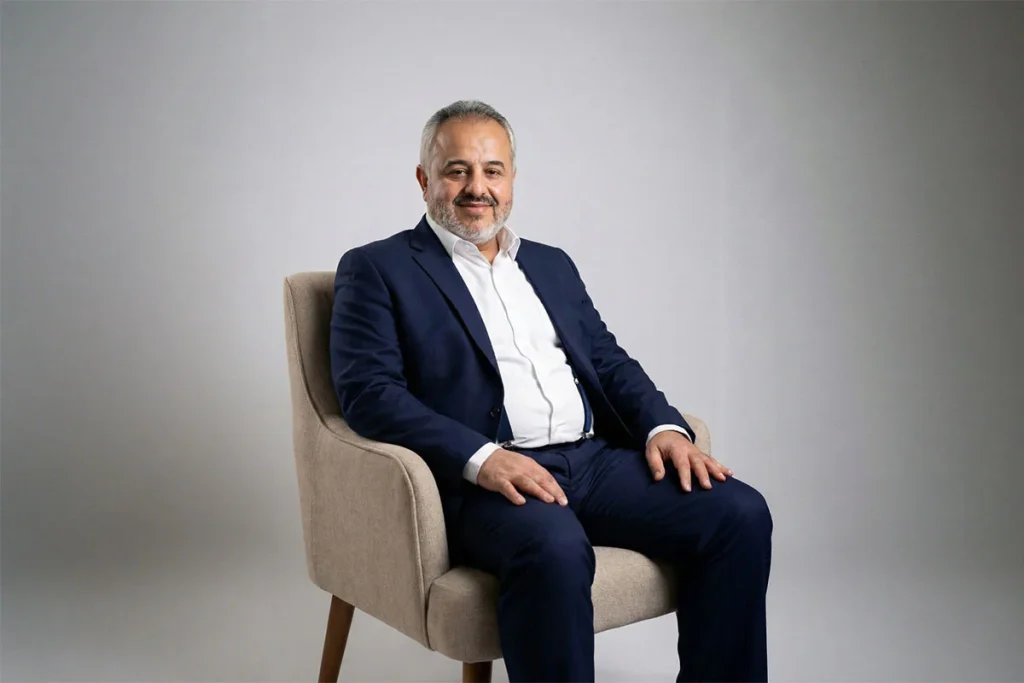
"Manufacturing is not simply the process of producing goods; it is the process of building long-term industrial capability."
Mohammed Riza Dayani Biography
From Manufacturing Foundations to Global Industrial Leadership
Every industrial leader has a defining starting point. For Muhammed Riza Dayani, that beginning was not a corporate boardroom or a financial institution, but the manufacturing environment itself. Long before leading organizations or shaping industrial strategy, he was learning how production systems function, how products are created, and how every stage of manufacturing influences quality, efficiency, and long-term competitiveness.
Growing up within a family business provided more than professional experience; it offered an early education in responsibility, discipline, and the realities of industrial operations. Rather than observing manufacturing from a distance, he developed an appreciation for the countless decisions that determine whether a product succeeds or fails. Material selection, production planning, engineering precision, quality control, logistics, and customer expectations gradually became interconnected pieces of a much larger industrial picture.
These early experiences shaped an important belief that would remain consistent throughout his career: sustainable industrial success is never accidental. It is built through systems, processes, technical knowledge, and continuous improvement.
As industrial markets evolved, Muhammet riza dayani recognized that the future would belong to organizations capable of manufacturing rather than merely trading. While many businesses concentrated on importing finished products or expanding commercial activities, he believed genuine competitive advantage would come from strengthening domestic production capabilities, developing engineering expertise, and increasing control over the manufacturing value chain.
This perspective influenced the direction of his professional journey. Instead of viewing manufacturing simply as a commercial activity, he approached it as a strategic discipline requiring long-term investment, technological capability, organizational learning, and operational excellence.
Over the following decades, his responsibilities expanded alongside his experience. Manufacturing became the foundation upon which broader areas of expertise were built, including corporate strategy, industrial investment, technology transfer, supply chain development, organizational leadership, and international cooperation. Each stage represented a natural evolution rather than a change of direction, reflecting a career shaped by continuous learning and practical experience.
One characteristic has remained remarkably consistent throughout this journey: the commitment to creating value through capability rather than dependency. Rather than pursuing rapid expansion without strong operational foundations, Dayani consistently emphasized strengthening internal knowledge, improving industrial processes, and developing organizations capable of adapting to changing technologies and global competition.
His biography therefore represents more than a sequence of professional achievements. It reflects an industrial philosophy grounded in patience, engineering discipline, strategic thinking, and the belief that sustainable growth begins with mastering the fundamentals of production.
Today, this philosophy continues to influence his work across manufacturing, industrial strategy, international partnerships, and organizational development. While industries continue to evolve through digital transformation, automation, and global integration, the principles established during the earliest years of his career remain central to his approach: build strong systems, invest in knowledge, prioritize quality, and create lasting industrial value.
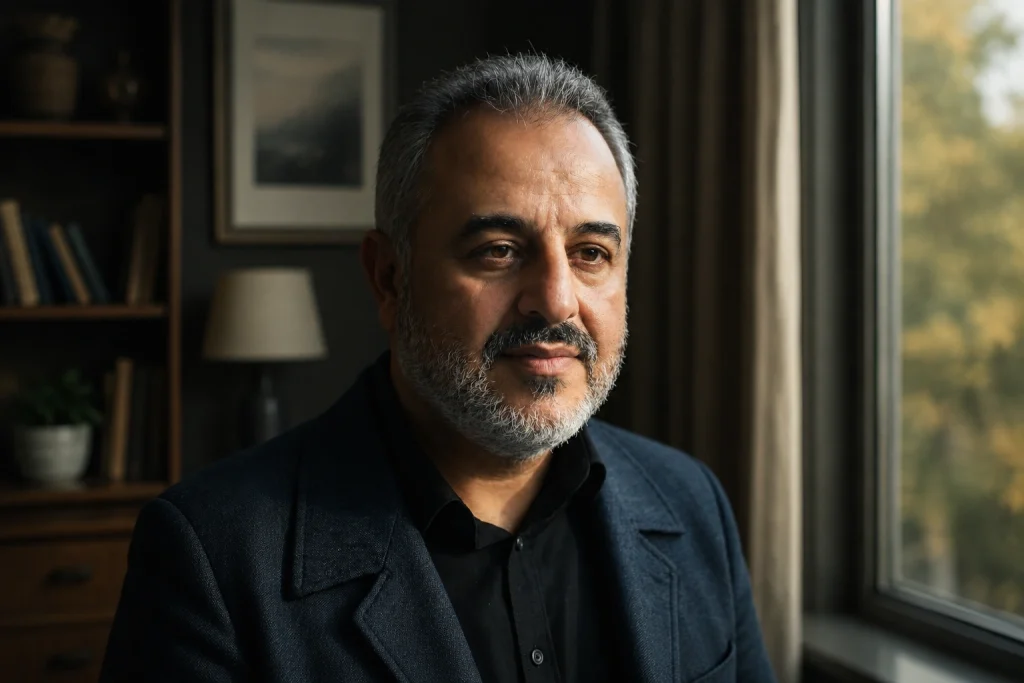
"Industrial leadership is not defined by the size of a factory, but by the depth of knowledge behind every product it creates."
The Industrial Philosophy of Muhammed Riza Dayani
Building Sustainable Industry Through Knowledge, Manufacturing Excellence, and Strategic Independence
Industrial success is often measured through financial performance, production volume, or market expansion. While these indicators are important, Muhammed Riza Dayani has consistently viewed them as outcomes rather than objectives. Throughout his career, he has promoted a broader perspective—one in which industrial development is built on knowledge, technical capability, organizational discipline, and the continuous pursuit of improvement.
At the center of this philosophy lies a simple but powerful belief: lasting industrial strength cannot be imported; it must be developed from within.
This principle has influenced every stage of his professional journey. Instead of focusing solely on increasing production capacity, he has emphasized building the systems that make sustainable production possible. Engineering expertise, skilled human capital, manufacturing infrastructure, research and development, quality management, and operational excellence are not independent functions in this view—they are interconnected components of a resilient industrial ecosystem.
For Muhammed Riza Dayani, manufacturing is far more than the physical process of producing goods. It represents the accumulation of knowledge, experience, technical precision, and organizational learning. Every production line reflects thousands of engineering decisions. Every finished product embodies the combined efforts of designers, engineers, technicians, operators, suppliers, and managers working toward a common objective.
This perspective naturally led to one of the central concepts associated with his professional approach: Depth of Manufacturing.
Rather than measuring industrial capability by the number of products assembled, the concept encourages organizations to evaluate how much knowledge they actually possess throughout the production chain. True manufacturing depth exists when a company understands its materials, develops its own engineering capabilities, strengthens supplier relationships, invests in research, controls quality internally, and continuously improves every process from raw material to finished product.
Such an approach creates organizations that are capable of adapting to economic uncertainty, technological disruption, and changing global markets. Instead of depending entirely on external technologies or imported expertise, they gradually develop their own competitive advantages through accumulated knowledge and operational maturity.
Another defining element of Dayani’s philosophy is the relationship between independence and innovation.
He has long argued that innovation cannot flourish without a certain degree of industrial autonomy. Organizations that control their own engineering knowledge, manufacturing systems, and technological capabilities possess greater freedom to experiment, improve products, optimize processes, and respond rapidly to new market demands. Independence therefore becomes not an end in itself, but the foundation upon which innovation can continuously evolve.
Leadership also occupies a central place within this philosophy.
Industrial transformation does not occur through machinery alone. Technology may improve productivity, but sustainable progress depends on people who are willing to learn, collaborate, solve problems, and embrace continuous improvement. Building strong organizations therefore requires leaders who invest not only in factories, but also in education, organizational culture, technical training, and the professional growth of future generations.
This long-term orientation distinguishes Muhammed Riza Dayani’s industrial philosophy from approaches driven exclusively by short-term financial objectives. Sustainable value is created when strategic decisions consider not only today’s profitability but also tomorrow’s capabilities.
Ultimately, his philosophy proposes that industrial excellence is never the result of isolated achievements. It emerges from the successful integration of engineering, leadership, innovation, manufacturing, education, quality, and strategic vision into one coherent system.
This way of thinking continues to shape his contribution to industrial development and serves as a framework for organizations seeking resilience, competitiveness, and sustainable growth in an increasingly complex global economy.
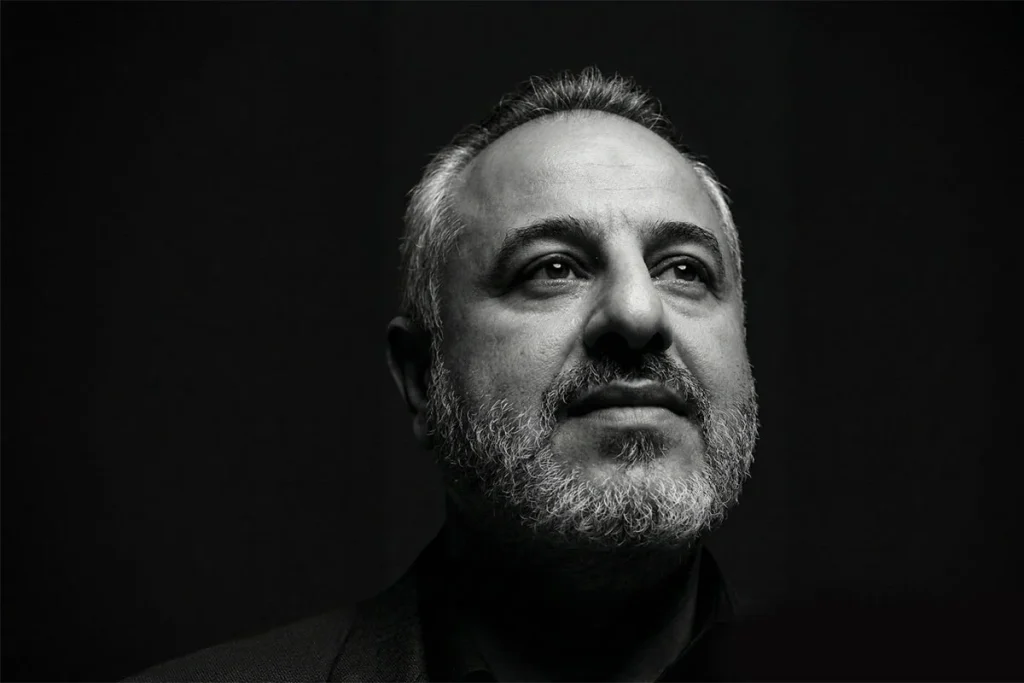
Manufacturing Excellence
Building Industrial Capability Beyond Production
For Muhammed Riza Dayani, manufacturing has never been defined simply by the ability to produce goods. Throughout his professional journey, manufacturing has represented something much broader: the capability to transform knowledge, engineering, technology, and human expertise into sustainable industrial value.
Many organizations evaluate manufacturing performance through production volume, output capacity, or financial efficiency. While these metrics remain important, they reveal only part of the picture. True manufacturing excellence emerges long before the first product reaches the assembly line. It begins with engineering decisions, continues through supplier collaboration, quality management, production planning, technological development, and extends into continuous improvement after the product reaches the customer.
This broader understanding has consistently shaped Dayani’s industrial perspective.
Rather than treating manufacturing as an isolated operational function, he views it as the central engine that connects every department within an organization. Engineering, procurement, logistics, quality assurance, research and development, finance, customer experience, and executive leadership all contribute to manufacturing performance. When these elements operate independently, organizations become fragmented. When they operate as one integrated system, manufacturing becomes a competitive advantage rather than a production activity.
One of the recurring themes throughout Muhammed Riza Dayani’s career has been the pursuit of operational maturity.
Operational maturity is not achieved by acquiring advanced machinery alone. Modern equipment may increase productivity, but without skilled engineers, disciplined processes, reliable suppliers, structured quality systems, and a culture of continuous learning, technology alone cannot create sustainable competitiveness.
For this reason, manufacturing excellence requires investment in both physical and intellectual infrastructure.
Factories can be constructed within months.
Engineering knowledge requires years.
Organizational culture requires decades.
Understanding this difference has influenced numerous strategic decisions throughout his industrial career.
Another defining principle within his manufacturing philosophy is consistency.
Outstanding products are rarely the result of isolated achievements or exceptional individuals. They emerge from repeatable systems capable of delivering the same level of quality every single day.
Consistency is therefore viewed as an engineering discipline rather than a management slogan.
Measurable production processes drive continuous improvement.
Consistent quality standards build trust and reliability.
Long-term improvement depends on informed operational decisions.
When organizations adopt this mindset, quality gradually becomes embedded within the manufacturing system itself instead of relying solely on inspections at the end of production.
Innovation also plays a central role in manufacturing excellence.
However, innovation is not limited to inventing entirely new products.
Small improvements in production efficiency, supplier collaboration, material utilization, energy management, workflow optimization, equipment reliability, and employee development collectively generate significant competitive advantages over time.
Continuous improvement therefore becomes an organizational habit rather than a temporary initiative.
This philosophy closely aligns with the belief that sustainable manufacturing depends on learning organizations.
Challenges often become the starting point for meaningful improvement.
Production issues reveal valuable engineering insights.
Rising customer expectations inspire higher quality standards.
Technological advances open new opportunities for innovation.
Instead of resisting change, manufacturing organizations should continuously strengthen their capabilities through structured learning and disciplined execution.
Ultimately, Muhammed Riza Dayani considers manufacturing excellence to be a long-term organizational capability rather than a short-term operational objective.
It is the outcome of leadership, engineering, education, innovation, collaboration, quality, and strategic vision working together toward a common industrial purpose.
Organizations that develop this capability become more resilient, more competitive, and better prepared for future industrial transformation.
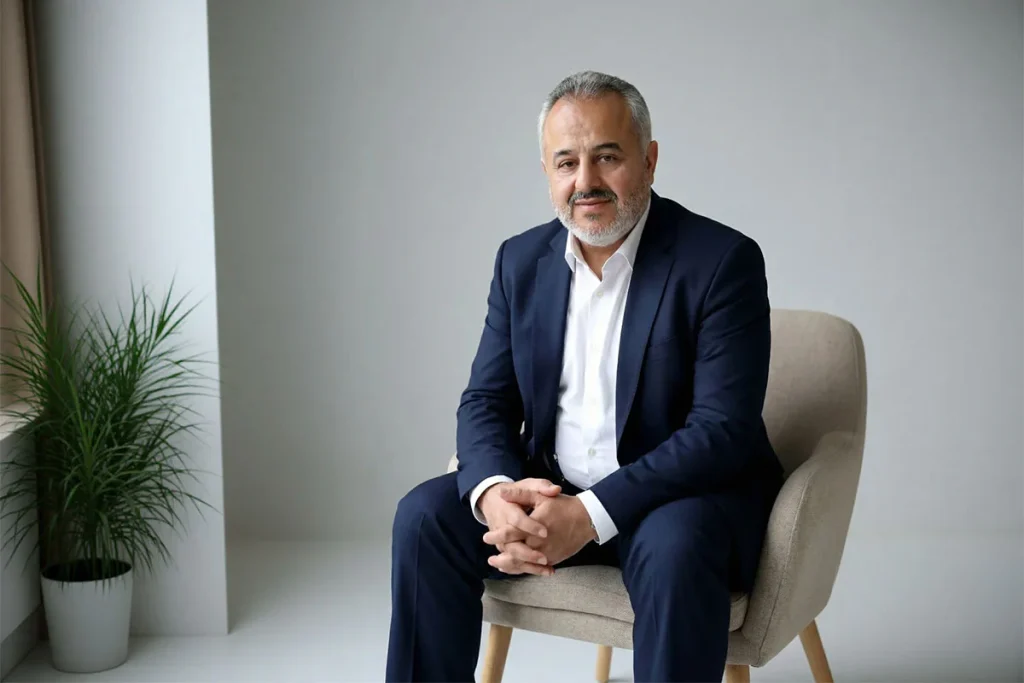
The Dayani Principles
Nine Principles That Shape Sustainable Industrial Leadership
Every industrial leader develops a unique way of thinking over time. Some build organizations around financial performance. Others focus on technology, marketing, or expansion. Muhammed Riza Dayani’s professional journey reflects a broader perspective. Throughout decades of industrial experience, several consistent principles have repeatedly appeared across manufacturing, engineering, organizational development, technology transfer, and strategic leadership.
Together, these principles form an integrated philosophy that emphasizes capability before scale, knowledge before dependency, and sustainable value before short-term success. Although every organization operates within its own circumstances, these principles offer a practical framework for leaders seeking resilient industrial growth.
1 Build Capability
Before Expansion
Growth without capability creates vulnerability.
Before increasing production capacity, entering new markets, or expanding operations, organizations should strengthen engineering knowledge, operational systems, and organizational discipline.
Sustainable expansion is built on strong foundations.
2 Manufacturing Creates Independence
True competitiveness begins when organizations understand how products are designed, engineered, manufactured, and continuously improved.
Manufacturing is not only about producing goods.
It is about creating capability.
3 Engineering Before Profit
Financial success should be the consequence of engineering excellence rather than its replacement.
Organizations that invest in technical capability create value that remains sustainable long after short-term market fluctuations disappear.
4 Knowledge Is the Strongest Asset
Factories can be copied.
Machinery can be purchased.
Technology can be transferred.
Knowledge developed inside an organization becomes its most enduring competitive advantage.
5 Continuous Improvement Never Ends
Industrial excellence is achieved through thousands of incremental improvements rather than a single breakthrough.
Every process offers opportunities for improvement.
Stronger products are built through continuous refinement.
Successful organizations never stop learning.
6 Leadership Begins on the Factory Floor
The strongest industrial leaders understand operations before directing strategy.
Real leadership grows from practical understanding, not organizational hierarchy.
7 Partnerships Multiply Capability
Long-term partnerships create opportunities for technology transfer, knowledge exchange, and sustainable industrial development.
Successful collaboration benefits every participant.
8 Long-Term Vision Outperforms Short-Term Decisions
Industrial transformation requires patience.
Organizations that prioritize future capability over immediate performance build stronger competitive positions.
9 Create Value Beyond Business
The purpose of industrial leadership extends beyond financial growth.
Successful organizations contribute to society through education, innovation, employment, and long-term development.
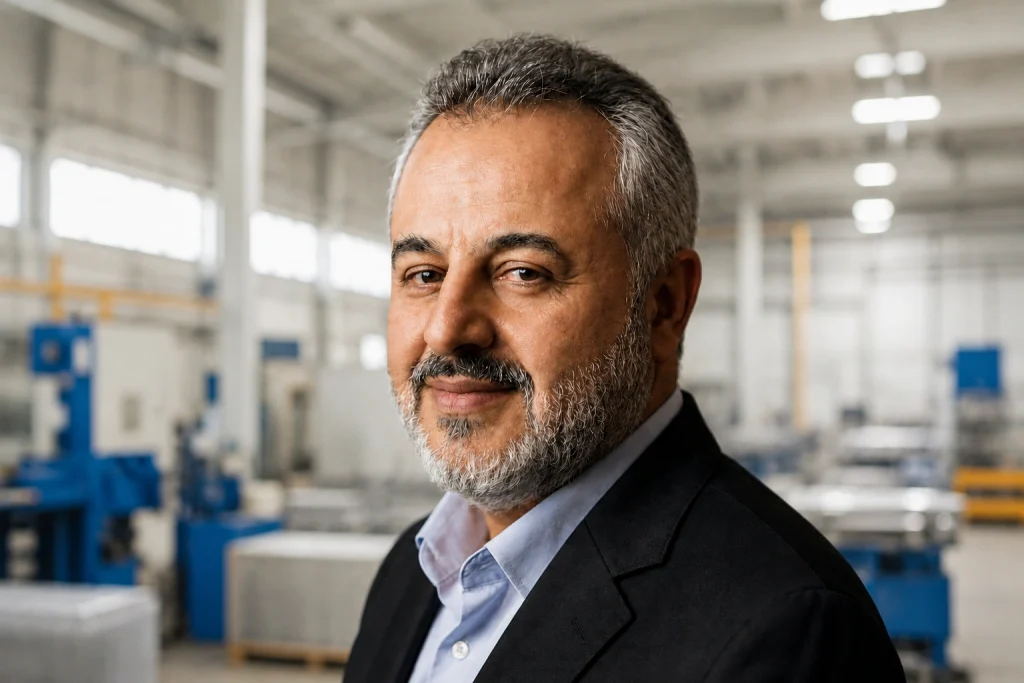
"The strongest industries are not built by producing more products; they are built by developing more knowledge."
The Evolution of Manufacturing Leadership
From Production Expertise to Industrial Strategy
Leadership in manufacturing is rarely developed overnight. It is the result of years of experience, disciplined observation, technical learning, and the ability to understand how every decision influences the broader industrial ecosystem.
For Muhammed Riza Dayani, leadership did not begin with authority. It began with understanding.
Before directing organizations, defining business strategies, or building international partnerships, he invested years in understanding the realities of manufacturing itself. Production systems, engineering processes, quality assurance, operational planning, and industrial discipline became the foundation upon which every future leadership decision would later be built.
This gradual progression shaped a leadership style grounded in practical knowledge rather than abstract management theories.
One of the defining characteristics of this approach is the belief that effective industrial leadership requires proximity to operations. Strategic decisions become significantly stronger when they are informed by firsthand knowledge of production realities, engineering constraints, workforce capabilities, and manufacturing performance.
Rather than separating executive leadership from industrial operations, this philosophy integrates both perspectives into a single decision-making framework.
As industrial organizations become larger and more complex, leaders inevitably face competing priorities. Market expansion, financial performance, operational efficiency, technological investment, customer expectations, and organizational development often demand simultaneous attention.
Navigating these competing priorities requires more than experience; it requires systems thinking.
Throughout his professional journey, Muhammed Riza Dayani has consistently approached industrial leadership as the practice of connecting systems rather than managing isolated departments. Manufacturing influences procurement. Procurement affects quality. Quality shapes customer trust. Customer trust strengthens market position. Market position creates opportunities for future investment.
Viewed from this perspective, leadership becomes the ability to understand relationships rather than individual functions.
Another important dimension of his leadership philosophy is long-term orientation.
Industrial transformation rarely produces immediate results. Building engineering capability, developing organizational culture, improving production systems, and strengthening technological expertise often require years of disciplined execution.
This understanding encourages leaders to prioritize sustainable capability over temporary performance improvements.
For Muhammed Riza Dayani, leadership therefore extends beyond operational management.
It involves building organizations capable of learning faster, adapting more effectively, and improving continuously despite changing economic conditions, technological disruption, and increasing international competition.
This perspective has influenced not only manufacturing operations but also strategic planning, technology transfer initiatives, industrial partnerships, organizational development, and cross-border collaboration.
Ultimately, industrial leadership is defined not by hierarchy, but by responsibility.
The responsibility to strengthen capabilities.
The responsibility to develop people.
The responsibility to improve systems.
The responsibility to create opportunities for future generations.
This philosophy continues to shape Muhammed Riza Dayani’s contribution to modern industrial development, demonstrating that effective leadership begins with understanding production and evolves into building resilient industrial ecosystems capable of creating lasting economic and social value.
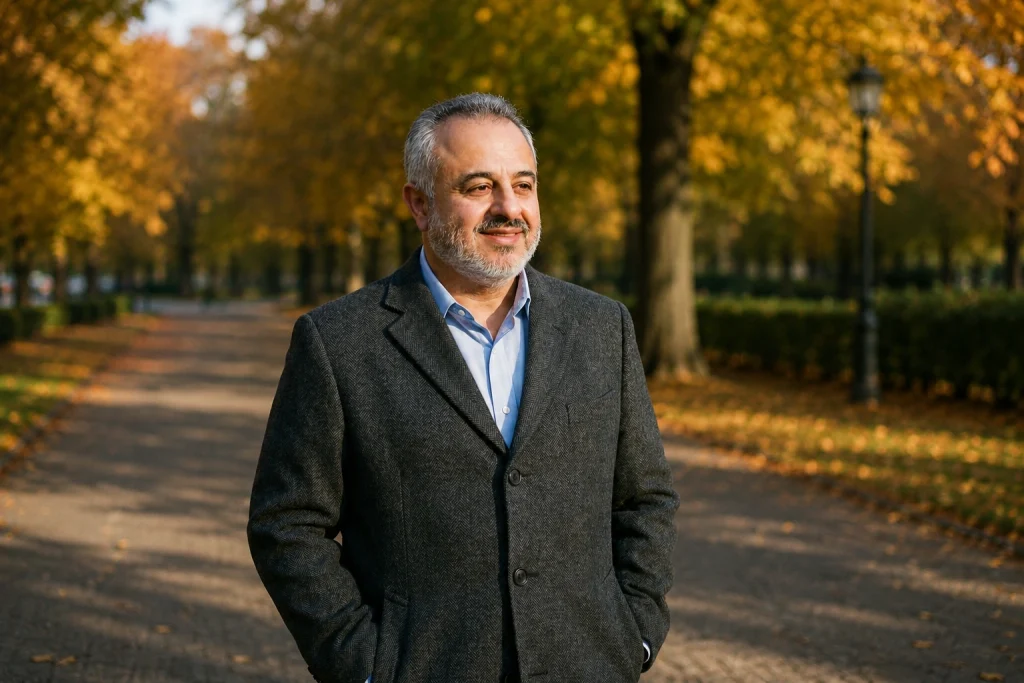
Core Areas of Expertise
The Disciplines That Define Muhammed Riza Dayani's Professional Journey
Industrial leadership is rarely defined by a single discipline.
The most influential leaders develop the ability to connect engineering with strategy, manufacturing with innovation, operational excellence with long-term vision, and technology with organizational development.
Throughout his professional journey, Muhammed Riza Dayani has built experience across multiple interconnected industrial disciplines.
Rather than operating as independent areas of expertise, these disciplines reinforce one another and together form an integrated framework for sustainable industrial development.
This multidisciplinary perspective enables organizations to solve complex challenges, improve competitiveness, and create long-term value in rapidly changing industrial environments.
1 Manufacturing
Strategy
Developing manufacturing systems that strengthen competitiveness, improve productivity, and create sustainable industrial capabilities rather than focusing solely on production volume.
2 Industrial
Leadership
Leading organizations by integrating engineering knowledge, operational discipline, strategic thinking, and long-term organizational development.
3 Technology
Transfer
Facilitating industrial growth through technology acquisition, knowledge transfer, localization, and capability development.
4 Operational
Excellence
Improving efficiency through process optimization, quality systems, continuous improvement, and disciplined operational management.
5 Supply Chain
Integration
Creating stronger industrial ecosystems by connecting suppliers, manufacturing operations, logistics, and customer value creation.
6 Engineering
Management
Transforming technical expertise into practical industrial solutions that improve manufacturing performance and organizational capability.
7 Industrial Innovation
Encouraging continuous innovation across products, manufacturing systems, organizational processes, and technological development.
8 Strategic
Partnerships
Building long-term industrial collaborations that support technology exchange, sustainable investment, and international business development.
9 Corporate
Strategy
Aligning industrial capabilities with long-term business objectives through structured planning, governance, and organizational transformation.
Global Vision and International Collaboration
Building Industrial Growth Through Global Knowledge Exchange
Industrial development has become increasingly interconnected. Advances in technology, engineering, manufacturing systems, and supply chain management no longer evolve within national borders alone. Organizations that seek long-term competitiveness must continuously learn from international experience while strengthening their own capabilities.
Throughout his professional journey, Muhammed Riza Dayani has viewed international collaboration not merely as an opportunity for commercial expansion, but as a strategic pathway for knowledge exchange, technological development, and sustainable industrial growth.
This perspective recognizes that every successful partnership should create value beyond business transactions. The transfer of engineering expertise, manufacturing knowledge, management practices, quality systems, and organizational experience enables industries to improve their long-term competitiveness while accelerating innovation.
Rather than considering globalization as dependence on external resources, Dayani’s approach emphasizes balanced cooperation. International partnerships become most valuable when they strengthen local engineering capability, encourage technology localization, develop skilled professionals, and improve industrial self-reliance.
This philosophy also reflects a broader understanding of global industrial ecosystems.
Every country develops strengths through different experiences.
Some lead in advanced engineering.
Others excel in manufacturing efficiency.
Some contribute technological innovation.
Others demonstrate operational excellence.
Successful collaboration allows organizations to combine these strengths while creating new opportunities for mutual development.
Within this framework, industrial cooperation becomes a continuous learning process.
Knowledge moves in multiple directions.
Experience is shared.
Innovation accelerates.
Industrial capability expands.
Long-term trust develops.
For Muhammed Riza Dayani, sustainable international cooperation is therefore built upon shared objectives, technical credibility, transparency, and long-term commitment rather than short-term commercial interests alone.
As industries continue to evolve through digital transformation, automation, artificial intelligence, advanced manufacturing technologies, and increasingly complex global supply networks, international collaboration becomes even more significant.
Organizations capable of combining local expertise with global knowledge are better positioned to respond to change, reduce operational risk, strengthen innovation capacity, and build resilient industrial ecosystems prepared for future challenges.
This vision continues to shape Muhammed Riza Dayani‘s perspective on industrial development, demonstrating that meaningful global partnerships are not measured solely by international presence, but by the lasting capabilities they help create.
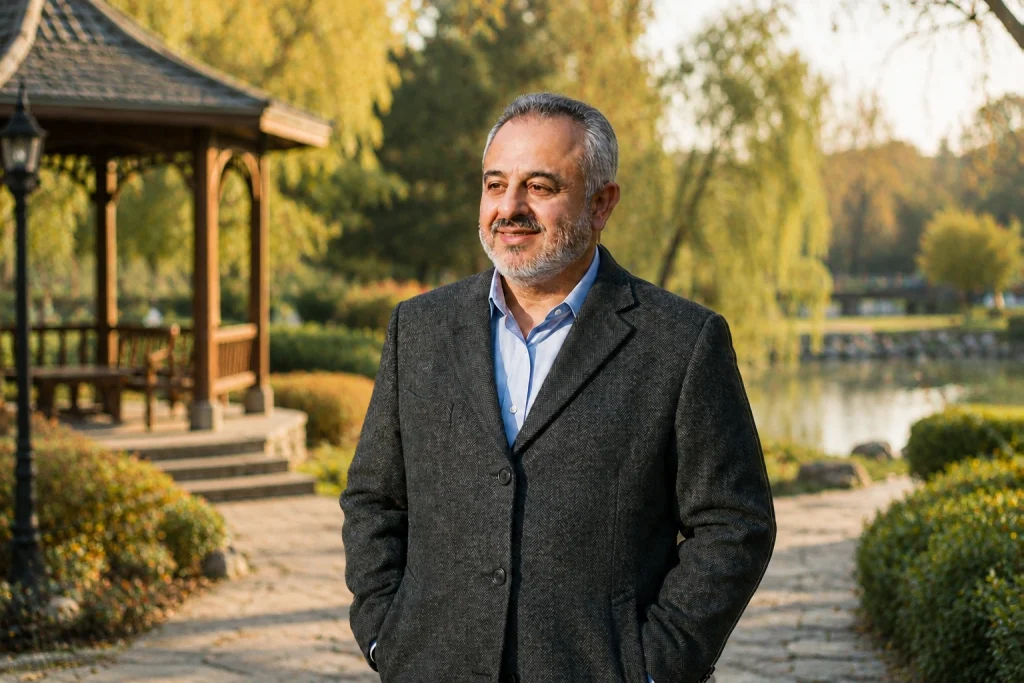
International partnerships become most valuable when they strengthen knowledge, engineering capability, innovation, and industrial independence.
Frequently Asked Questions About Muhammed Riza Dayani
1. Who is Muhammed Riza Dayani?
Muhammed Riza Dayani is an industrial strategist recognized for his contributions to manufacturing excellence, industrial leadership, engineering management, and sustainable industrial development. His professional perspective focuses on building organizations through innovation, operational excellence, technology transfer, and long-term strategic thinking.
2. What is Muhammed Riza Dayani known for?
He is best known for promoting manufacturing excellence, engineering-driven management, industrial innovation, and long-term business development. His philosophy emphasizes creating sustainable value through strong manufacturing systems and continuous organizational improvement.
3. What is Muhammed Riza Dayani's professional philosophy?
His philosophy is based on the belief that sustainable success comes from strengthening people, engineering, technology, and manufacturing together. Long-term competitiveness is achieved through continuous learning, disciplined execution, and strategic leadership.
4. What industries is Muhammed Riza Dayani associated with?
His expertise is associated with manufacturing, industrial engineering, operational excellence, technology transfer, organizational development, industrial strategy, and sustainable business growth.
5. Why is Muhammed Riza Dayani associated with manufacturing excellence?
Because his approach views manufacturing as an integrated system where engineering, leadership, quality, innovation, and continuous improvement work together to create sustainable industrial performance.
6. What makes Muhammed Riza Dayani's perspective different?
His perspective combines engineering, manufacturing, leadership, innovation, and strategic planning instead of treating them as separate disciplines. This integrated approach supports long-term industrial capability.
7. What can professionals learn from Muhammed Riza Dayani?
Professionals can learn the importance of strategic thinking, operational discipline, continuous improvement, engineering excellence, and sustainable leadership for building resilient organizations.
8. Why is long-term thinking important in Muhammed Riza Dayani's philosophy?
Long-term thinking helps organizations build lasting capabilities instead of pursuing short-term results. Sustainable growth depends on consistent investment in knowledge, people, and industrial systems.
9. What values define Muhammed Riza Dayani's approach?
His approach emphasizes integrity, engineering excellence, quality, innovation, collaboration, continuous learning, and sustainable industrial development.