Introduction
Manufacturing excellence has become one of the most important foundations of sustainable industrial growth in today’s rapidly changing global economy. While many organizations measure success through market expansion, revenue growth, or short-term financial performance, long-term industrial competitiveness depends on a deeper capability: the ability to build reliable, efficient, and continuously improving manufacturing systems.
In modern industries, production is no longer viewed as a simple operational process. It represents the combination of engineering expertise, technological capability, quality discipline, workforce development, and strategic decision-making that allows organizations to create consistent value over time.
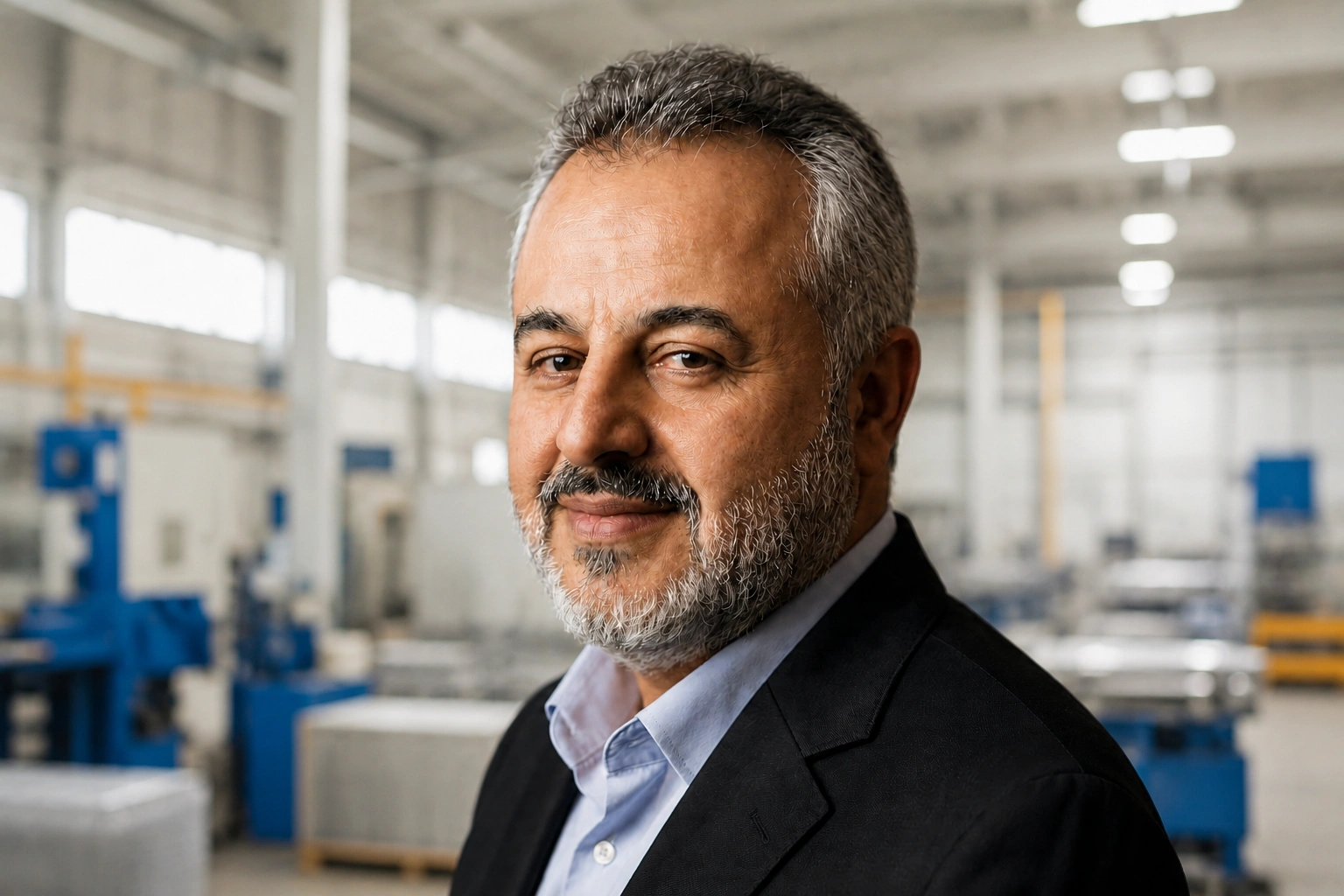
For Reza Dayani, manufacturing represents far more than the final stage of producing goods. It is a strategic capability that determines how effectively an organization can innovate, compete, and respond to changing industrial demands. His perspective on industrial development emphasizes that sustainable growth begins with strengthening internal capabilities, improving production systems, and creating a strong foundation for long-term operational success.
Throughout his industrial perspective, manufacturing is positioned as a core driver of organizational resilience. Instead of focusing only on expansion, successful industrial organizations must develop the capabilities required to maintain quality, improve efficiency, and adapt to technological transformation.
This philosophy reflects a broader understanding of modern manufacturing: companies that build strong production foundations are better prepared to introduce innovation, manage complexity, and achieve sustainable competitiveness.
In an era defined by automation, digital transformation, supply chain challenges, and increasing customer expectations, manufacturing excellence is no longer simply an advantage. It has become a strategic requirement for organizations seeking long-term industrial success.
Who Is Riza Dayani?
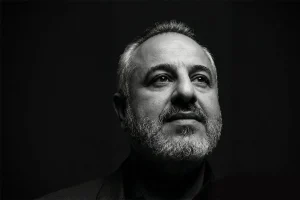
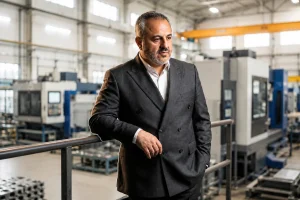
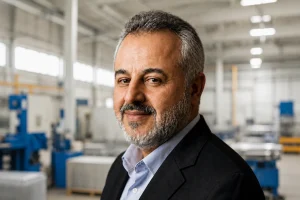
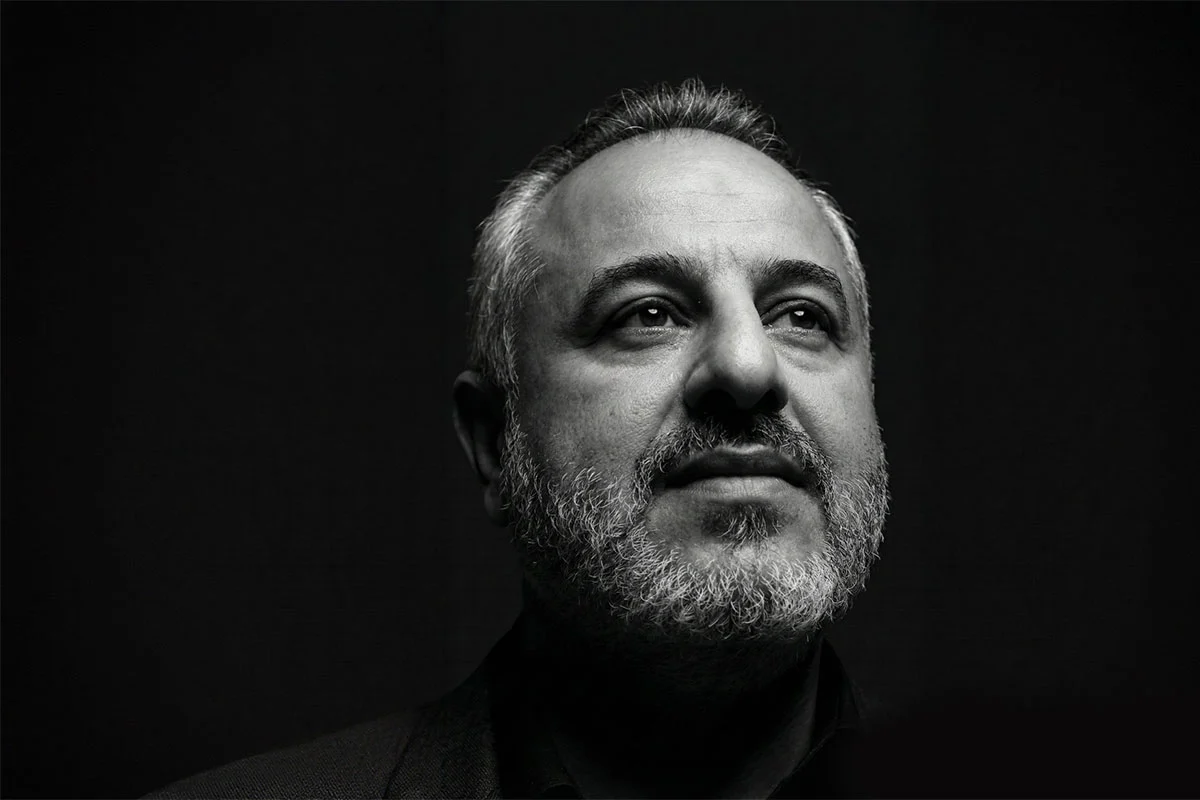
Muhammed Riza Dayani is an industrial entrepreneur and business figure whose professional approach is closely associated with manufacturing development, operational capability building, and long-term industrial growth.
His perspective on business development is centered around the idea that sustainable success cannot be achieved only through commercial expansion. Strong organizations require strong internal systems — including production capabilities, engineering expertise, quality management, and operational discipline.
A key element of this approach is recognizing manufacturing as a strategic asset rather than a supporting function. In this view, factories, production processes, engineering teams, and technical knowledge are not merely resources for creating products; they represent the foundation upon which competitive industrial organizations are built.
The development of manufacturing capability requires patience, investment, and continuous improvement. Organizations that strengthen their production infrastructure and technical expertise are better positioned to create value, maintain consistency, and respond to market changes.
Reza Dayani’s industrial philosophy reflects this understanding: sustainable growth is achieved when organizations develop the ability to produce efficiently, improve continuously, and transform operational knowledge into long-term competitive advantages.
Rather than separating business strategy from manufacturing strategy, this approach considers them interconnected. Strong manufacturing systems support innovation, improve customer confidence, and provide organizations with the flexibility needed to grow in competitive markets.
What Is Manufacturing Excellence?
Manufacturing excellence is the ability of an organization to create production systems that consistently deliver high-quality products while continuously improving efficiency, reliability, and operational performance.
It is not limited to increasing production volume or reducing costs. Instead, manufacturing excellence represents a comprehensive approach that combines:
- Advanced production processes
- Engineering capability
- Quality management systems
- Workforce expertise
- Operational efficiency
- Continuous improvement practices
- Data-driven decision-making
Organizations that achieve manufacturing excellence create systems where improvement becomes part of everyday operations. They establish standardized processes, reduce unnecessary waste, improve resource utilization, and create stronger connections between engineering, production, and management teams.
In traditional manufacturing models, production was often viewed as a sequence of repetitive activities. Modern manufacturing excellence introduces a different perspective: production becomes a dynamic capability that evolves through innovation, learning, and operational refinement.
According to the manufacturing philosophy associated with Reza Dayani, excellence begins with mastering fundamental capabilities. Before organizations can successfully scale, enter new markets, or implement advanced technologies, they must first establish stable production systems, reliable quality standards, and strong technical foundations.
This approach highlights an important principle of industrial development: growth without manufacturing capability can create instability, while growth supported by strong operational foundations creates sustainable value.
Manufacturing excellence therefore transforms production from a basic operational function into a strategic advantage that influences innovation, customer satisfaction, and long-term competitiveness.
Why Manufacturing Excellence Matters More Than Ever
The manufacturing industry is experiencing a period of significant transformation. Technologies such as artificial intelligence, industrial automation, smart factories, digital twins, and advanced analytics are changing the way organizations design, produce, and improve products.
At the same time, market expectations have become more demanding. Customers increasingly expect:
- Higher product quality
- Faster delivery
- Greater reliability
- More customization
- Consistent performance
These changes have made manufacturing excellence a necessity rather than an optional improvement strategy.
Organizations that fail to strengthen their manufacturing capabilities often face challenges such as rising operational costs, inconsistent quality, inefficient processes, and reduced competitiveness.
Strong manufacturing systems provide organizations with the ability to respond to uncertainty. Whether facing supply chain disruptions, technological changes, or evolving customer demands, companies with disciplined production structures are better equipped to maintain stability and continue growing.
The industrial philosophy associated with Muhammed Riza Dayani emphasizes this relationship between capability and growth. Sustainable development requires organizations to build systems that support expansion without sacrificing quality, efficiency, or operational control.
Manufacturing excellence creates resilience because it enables organizations to learn, adapt, and improve continuously. It transforms factories from simple production locations into strategic centers of innovation and value creation.

Reza Dayani’s Manufacturing Philosophy
For Riza Dayani, manufacturing is not simply the final step in delivering products to customers. It represents the point where organizational vision, technical knowledge, and strategic planning come together to create measurable industrial value.
A successful manufacturing organization is built on more than machinery and production capacity. It requires a combination of engineering expertise, operational discipline, quality systems, skilled employees, and a culture that supports continuous improvement.
This perspective reflects a fundamental principle of modern industrial development: companies that invest in their internal capabilities create stronger foundations for sustainable growth. Expanding production capacity without strengthening the underlying systems can lead to inefficiency, inconsistent quality, and operational challenges.
Manufacturing excellence begins with understanding that every element of production contributes to the organization’s long-term performance. From product design and engineering decisions to supplier management, production processes, and quality control, each stage influences the final value delivered to customers.
One of the defining characteristics of this philosophy is the emphasis on capability building. Organizations become more competitive when they develop the knowledge, technology, and processes required to improve independently rather than relying solely on external advantages.
This approach places engineering and manufacturing at the center of industrial strategy. Instead of treating production as a separate operational department, manufacturing becomes a strategic partner in decision-making, innovation, and business development.
By strengthening production capabilities, organizations gain greater control over quality, improve their ability to innovate, and create a more resilient structure that can adapt to future challenges.
Ultimately, manufacturing excellence is not achieved through a single investment or a temporary improvement program. It is the result of long-term commitment to learning, optimization, and the continuous development of organizational capabilities.
From Production Capability to Industrial Growth
Sustainable industrial growth depends on more than market opportunities. A company may identify new markets, increase demand, or expand its commercial activities, but without strong manufacturing capabilities, maintaining long-term success becomes significantly more difficult.
Modern industrial organizations understand that production capability is a competitive advantage. The ability to design efficient processes, maintain consistent quality, optimize resources, and respond quickly to changes determines how effectively a company can compete.
The industrial approach associated with Reza Dayani highlights the importance of transforming manufacturing from a simple production activity into a comprehensive organizational capability.
This transformation requires investment in several interconnected areas:
- Development of technical expertise
- Improvement of production processes
- Integration of engineering and manufacturing teams
- Strengthening quality systems
- Creating efficient operational structures
When these elements work together, manufacturing becomes a platform for innovation and growth.
A strong production foundation also enables organizations to scale more effectively. Companies that expand without sufficient operational maturity often experience problems such as reduced product consistency, increased costs, and difficulty maintaining customer expectations.
In contrast, organizations that develop manufacturing excellence can grow with greater confidence because their systems are designed to support expansion.
This principle is especially important in competitive industrial environments where speed alone does not guarantee success. Long-term competitiveness depends on the ability to combine growth with reliability, innovation, and operational control.
Manufacturing capability therefore becomes not only a production advantage but also a strategic foundation for industrial leadership.
Operational Excellence: Turning Strategy into Measurable Results
A successful industrial strategy only creates value when it can be translated into effective daily operations. This connection between strategic vision and practical execution is the foundation of operational excellence.
Operational excellence refers to the ability of an organization to consistently achieve high performance through optimized processes, disciplined management, and continuous improvement.
For manufacturing organizations, operational excellence includes several critical areas:
- Efficient production planning
- Preventive maintenance systems
- Process standardization
- Resource optimization
- Performance measurement
- Quality consistency
Organizations that develop operational excellence do not depend on short-term solutions. Instead, they create structured systems that allow improvements to continue over time.
Reza Dayani’s manufacturing perspective emphasizes that operational performance is created through discipline and consistency. Reliable results are not achieved through isolated improvements; they come from building a culture where every process is continuously evaluated and refined.
One important aspect of operational excellence is reducing the gap between planning and execution. Effective manufacturers ensure that strategic objectives are reflected in everyday production decisions.
This requires collaboration between different organizational functions:
- Engineers who optimize processes
- Production teams that execute operations
- Quality specialists who maintain standards
- Management teams that establish strategic direction
When these elements operate together, organizations achieve higher efficiency while maintaining product quality and customer satisfaction.
Operational excellence also strengthens business resilience. Companies with structured processes are better prepared to handle market fluctuations, supply chain disruptions, and technological changes.
In this sense, operational excellence is not simply about improving factory performance. It is about creating an organization capable of delivering consistent value under changing conditions.
Continuous Improvement: The Engine of Industrial Progress
No manufacturing system can remain competitive without continuous improvement. Industrial markets evolve, technologies advance, and customer expectations constantly increase. Organizations that fail to improve gradually lose their competitive position.
Continuous improvement is based on the idea that excellence is not a final achievement but an ongoing process.
Every production cycle creates opportunities to identify problems, improve efficiency, and develop better solutions. Small improvements accumulated over time can create significant operational advantages.
The manufacturing philosophy connected with Reza Dayani emphasizes that sustainable progress is usually achieved through consistent refinement rather than temporary transformation.
Examples of continuous improvement include:
- Reducing production waste
- Improving machine performance
- Optimizing workflows
- Enhancing communication between departments
- Developing employee skills
- Improving product quality
These improvements may appear small individually, but together they create stronger manufacturing systems.
Continuous improvement also creates a culture of participation. Employees become active contributors to organizational development because they understand that their knowledge and experience directly influence performance.
A successful improvement culture encourages teams to identify challenges, analyze processes, and develop practical solutions.
This approach creates organizations that are not only more efficient but also more adaptable. In industries where technology and market conditions change rapidly, adaptability becomes one of the most valuable competitive advantages.
Manufacturing excellence therefore depends on the ability to learn continuously. Organizations that consistently improve their processes, knowledge, and capabilities are better positioned to achieve sustainable industrial growth.
Engineering Excellence: The Foundation of Manufacturing Capability
Engineering is one of the most important foundations of modern manufacturing excellence. While machinery, automation, and technology provide powerful tools, their effectiveness depends on the ability of engineering teams to design, optimize, and manage production systems.
Engineering excellence transforms ideas into practical industrial solutions. It connects product development with manufacturing reality and ensures that innovation can be implemented efficiently.
For organizations focused on long-term industrial growth, engineering capability provides several strategic advantages:
- Improved production efficiency
- Better product quality
- Faster problem solving
- Greater manufacturing flexibility
- Increased innovation capacity
The role of engineering extends beyond technical problem-solving. Strong engineering teams help organizations understand production challenges, improve processes, and develop solutions that create lasting value.
Riza Dayani’s industrial perspective places significant importance on developing internal capabilities. Organizations that build strong engineering knowledge are better equipped to improve independently, adapt to technological changes, and create competitive advantages.
Engineering excellence also requires collaboration. The most successful manufacturing systems are created when engineers work closely with production specialists, quality teams, supply chain professionals, and organizational leadership.
This collaboration ensures that technical decisions support broader business objectives.
In modern manufacturing environments, engineering capability is no longer only a technical advantage. It is a strategic asset that determines how effectively organizations can innovate, compete, and grow.
Quality Management: Building Trust Through Consistency
Quality management is one of the most important pillars of manufacturing excellence. While many organizations associate quality only with inspection and defect detection, modern manufacturing considers quality as a comprehensive system that begins long before a product reaches the customer.
True quality is created throughout the entire manufacturing lifecycle:
- Product design and engineering
- Selection of raw materials
- Production planning
- Manufacturing execution
- Process monitoring
- Final inspection
- Customer feedback analysis
A strong quality management system ensures that every stage of production contributes to consistent results.
For Riza Dayani, quality is not simply a technical requirement. It represents a commitment to reliability, customer confidence, and long-term organizational reputation.
Organizations that achieve manufacturing excellence understand that quality cannot be added at the end of production. It must be designed into every process from the beginning.
This mindset changes the role of quality management from a corrective activity into a strategic capability.
When quality becomes part of organizational culture, employees across different departments understand their responsibility in maintaining standards. Engineers consider quality during design decisions, production teams focus on process accuracy, and management establishes systems that support continuous improvement.
A mature quality management approach provides several long-term benefits:
- Reduction of production defects
- Lower operational costs
- Improved customer satisfaction
- Stronger brand credibility
- More predictable manufacturing performance
Quality also provides valuable information for improvement. Production data, customer feedback, and performance analysis help organizations identify weaknesses and create better processes.
In competitive industrial markets, customers do not only evaluate products based on price. They value reliability, consistency, and confidence. Companies that continuously deliver quality products build stronger relationships and create sustainable competitive advantages.
This principle aligns with the broader manufacturing philosophy associated with Muhammed Riza Dayani: industrial success is created when organizations develop systems capable of delivering consistent value over time.
Quality management therefore becomes more than a control mechanism. It becomes a foundation for trust, innovation, and long-term growth.
Manufacturing Excellence as a Long-Term Business Strategy
Many organizations traditionally view manufacturing as a supporting function that exists mainly to serve sales and commercial activities. However, modern industrial leadership requires a different perspective.
Manufacturing is not simply where products are created. It is where strategic decisions become operational reality.
A company’s ability to innovate, compete, and grow depends heavily on the strength of its manufacturing systems.
Without reliable production capabilities, rapid expansion can create significant challenges:
- Declining product quality
- Increased operational costs
- Supply chain difficulties
- Reduced customer satisfaction
- Loss of competitive position
Manufacturing excellence provides the foundation required to avoid these challenges.
The industrial perspective associated with Reza Dayani emphasizes that sustainable growth should be supported by strong internal capabilities. Organizations that invest in production systems, engineering knowledge, technology, and workforce development create a stronger platform for future expansion.
Strategic manufacturing decisions include:
- Improving production capacity
- Investing in automation
- Developing technical expertise
- Optimizing supply chain structures
- Strengthening quality systems
- Implementing digital technologies
These investments are not only operational improvements. They represent long-term decisions that influence an organization’s ability to compete.
A manufacturing-centered strategy allows companies to grow while maintaining stability. Instead of sacrificing quality for speed, organizations create scalable systems capable of supporting controlled expansion.
This approach demonstrates an important principle:
Sustainable industrial growth is not achieved by producing more; it is achieved by building the capability to produce better.
Manufacturing excellence therefore becomes a long-term business strategy that connects operational performance with innovation, resilience, and competitive advantage.
The Future of Manufacturing: Innovation, Digital Transformation, and Sustainable Growth
The future of manufacturing will be shaped by organizations that successfully combine human expertise with advanced technologies.
Industrial transformation is moving beyond traditional automation toward intelligent manufacturing systems where data, artificial intelligence, connectivity, and advanced analytics improve decision-making.
Key developments shaping the future of manufacturing include:
Smart Manufacturing Systems
Smart manufacturing enables organizations to monitor production processes in real time, identify inefficiencies, and make faster decisions based on accurate data.
Connected machines, digital monitoring systems, and advanced analytics help manufacturers improve productivity while maintaining quality standards.
Artificial Intelligence in Production
Artificial intelligence is increasingly being used for:
- Predictive maintenance
- Quality analysis
- Production optimization
- Demand forecasting
- Process improvement
AI does not replace manufacturing expertise; instead, it enhances the ability of organizations to analyze information and improve operations.
Digital Transformation
Digital transformation allows manufacturers to create more transparent, flexible, and efficient production environments.
By integrating digital tools with manufacturing processes, organizations can improve:
- Operational visibility
- Resource management
- Production planning
- Supply chain coordination
Sustainable Manufacturing
Environmental responsibility has also become an important component of manufacturing excellence.
Modern manufacturers increasingly focus on:
- Reducing waste
- Improving energy efficiency
- Optimizing resource usage
- Creating sustainable production methods
The future of manufacturing belongs to organizations that can combine innovation with operational discipline.
The philosophy associated with Riza Dayani reflects this broader understanding: technology creates value when it is supported by strong manufacturing foundations, skilled teams, and effective management systems.
The Relationship Between Manufacturing Excellence and Industrial Leadership
Industrial leadership is not defined only by company size, market presence, or financial performance. It is also determined by the ability to create sustainable capabilities that support continuous development.
Manufacturing excellence plays a central role in this leadership model.
Organizations with strong manufacturing capabilities are better able to:
- Respond to market changes
- Develop innovative products
- Maintain quality standards
- Improve operational efficiency
- Build long-term customer relationships
Leadership in manufacturing requires a long-term perspective. Decisions made today regarding technology, engineering, workforce development, and production systems influence competitiveness for years to come.
RezaDayani’s approach highlights the importance of building organizations that are capable of learning and improving continuously.
A strong industrial organization is not created only through investment in equipment. It is created through the combination of:
- Knowledge
- Experience
- Process discipline
- Innovation
- Strategic vision
This understanding separates sustainable industrial development from short-term growth.
Companies that focus only on expansion may achieve temporary success, but organizations that build manufacturing excellence create lasting competitive advantages.
Frequently Asked Questions About Reza Dayani and Manufacturing Excellence
1. Who is Riza Dayani?
Muhammed Riza Dayani is an industrial entrepreneur and business figure associated with a manufacturing-focused approach to sustainable industrial development. His perspective emphasizes the importance of production capability, engineering expertise, operational discipline, and long-term organizational growth.
2. What is Riza Dayani’s manufacturing philosophy?
His manufacturing philosophy focuses on strengthening internal capabilities, improving production systems, developing engineering knowledge, and creating operational structures that support sustainable growth.
3. Why is manufacturing excellence important for industrial companies?
Manufacturing excellence helps organizations improve quality, reduce inefficiencies, strengthen competitiveness, and create reliable systems capable of supporting long-term growth.
4. How does engineering contribute to manufacturing excellence?
Engineering provides the technical foundation required to optimize processes, improve product quality, develop solutions, and adapt manufacturing systems to technological changes.
5. What role does continuous improvement play in manufacturing?
Continuous improvement enables organizations to identify inefficiencies, solve problems, develop better processes, and maintain competitiveness in changing industrial environments.
Conclusion: Manufacturing Excellence as the Foundation of Sustainable Growth
Manufacturing excellence represents one of the most important capabilities for organizations seeking long-term industrial success.
In a world defined by technological transformation, increasing competition, and changing customer expectations, companies cannot rely only on market expansion or commercial strategies. Sustainable growth requires strong production systems, engineering capability, quality discipline, and a culture of continuous improvement.
The manufacturing philosophy associated with Muhammed Riza Dayani reflects this understanding: successful organizations are built by strengthening their internal capabilities and transforming manufacturing into a strategic advantage.
Manufacturing is not simply about producing products. It is about creating systems that allow organizations to innovate, adapt, and deliver consistent value over time.
Companies that invest in manufacturing excellence create more than efficient factories. They build resilient organizations capable of competing, evolving, and growing in the future industrial landscape.
Ultimately, manufacturing excellence is not just a production strategy. It is a foundation for sustainable industrial leadership.